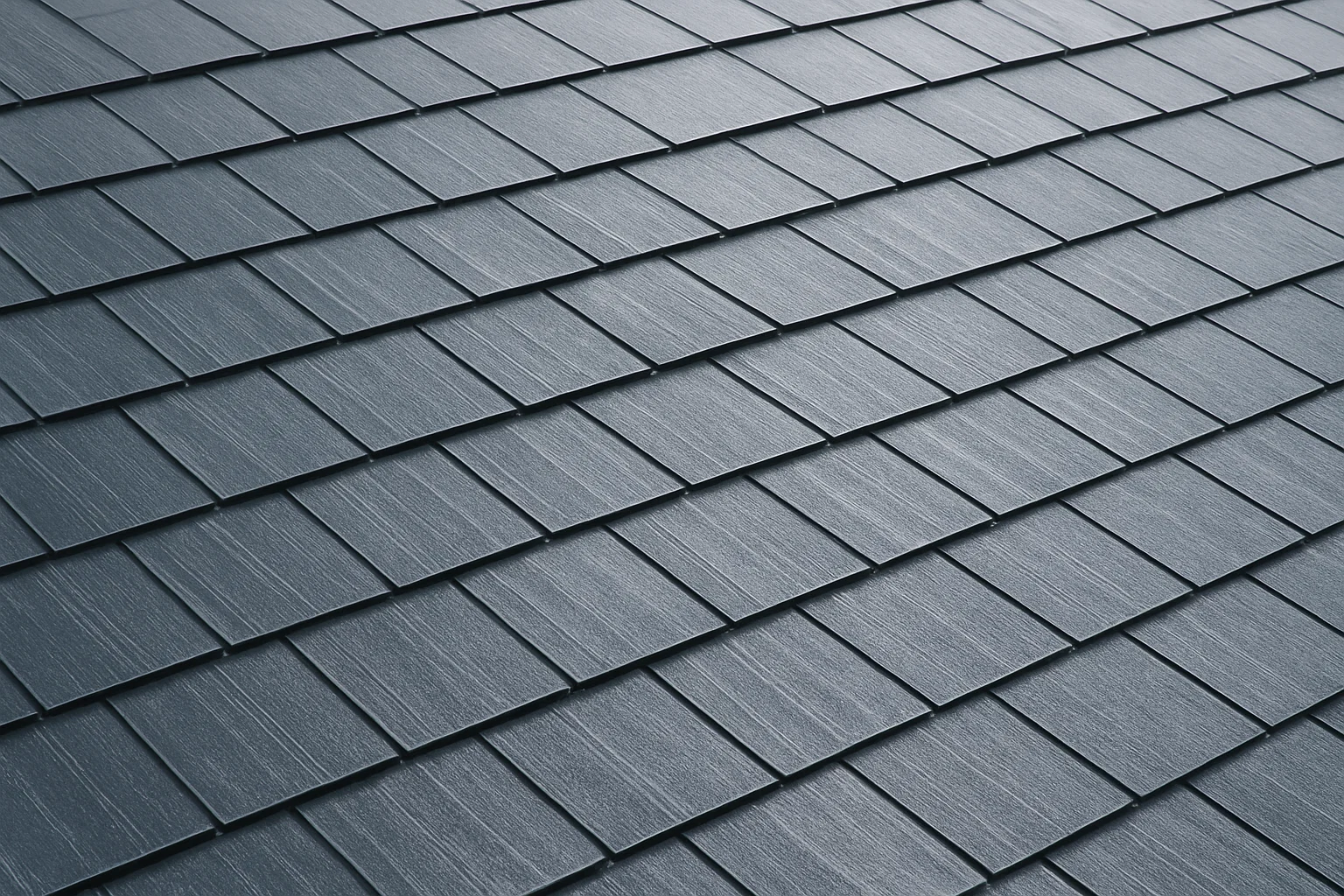
Metal roofing that looks like shingles gives Austin homeowners the storm protection of metal without making the house look like a barn. Stone-coated steel and metal shingle panels read as traditional shingle, shake, slate or tile from the street, while delivering the hail and wind performance that matters in the Central Texas hail belt.
Metal roofing has grown popular across the Austin metro as homeowners look for a long-term answer to hail damage. A properly installed stone-coated steel roof is built to last decades, which breaks the hail-damage, replace, repeat cycle that shingle roofs can face here. This guide covers the product types, the DECRA and Tilcor stone-coated steel lines, pros and cons, installed cost, warranty, insurance and how to choose.
What Is Metal Roofing That Looks Like Shingles?
It is a metal roof formed into shingle-, shake-, slate- or tile-shaped pieces instead of long vertical panels. Many homeowners hesitate to install metal roofing because they picture an industrial look. Shingle-profile metal solves that: with stone-coated products such as DECRA and Tilcor you can get a broad range of traditional looks, from rustic cedar shake to elegant slate or classic asphalt.
There are two main ways to get the look: stone-coated steel panels and stamped metal shingle panels.
Types of Shingle-Look Metal Roofing
Stone-Coated Steel Panels
These are pressed steel panels coated with a corrosion-resistant alloy and finished with stone granules bonded to the surface. The granules give them the texture and color variation of natural materials. From 20 feet away, most people can't tell the difference between stone-coated steel and high-end architectural shingles.
We install stone-coated steel across the Austin metro (Round Rock, Cedar Park, Georgetown, Pflugerville and inside Austin proper), especially in HOA neighborhoods that prohibit standing seam metal on the front elevation. Profiles such as DECRA Villa Tile and Shake XD replicate the look of clay tile and wood shake, which suits Austin's mix of Hill Country limestone ranches and modern builds.
Metal Shingle Panels
Metal shingles are individual panels stamped to mimic the shape and shadow lines of traditional shingles. They interlock for wind resistance and install over standard underlayment on existing decking. Without a stone coating they are lighter than stone-coated steel. The trade-off is a slightly less convincing visual match to real shingles.
Stone-Coated Steel Brands: DECRA and Tilcor
Two stone-coated steel lines worth comparing are DECRA and Tilcor. Here is what each offers.
DECRA Stone-Coated Steel Shingles
Each DECRA shingle is made from high-grade steel, coated with a corrosion-resistant alloy and finished with stone granules securely bonded to the surface. The result is a strong, textured roof built for Central Texas hailstorms, high winds and intense summer heat and UV. Whether you want the look of asphalt shingles, cedar shakes or slate tiles, DECRA offers a profile to match.
- Durability: DECRA roofs are built to last decades, far longer than traditional shingles.
- Weather resistance: a 120 mph manufacturer wind warranty, fire protection and a Class 4 (UL 2218) hail impact rating.
- Low maintenance: DECRA shingles resist fading and curling, which reduces long-term upkeep.
- Manufacturer warranty: DECRA backs its products with its own warranty coverage; review DECRA's current terms for the profile you choose.
Tilcor Stone-Coated Steel Shingles
Tilcor stone-coated steel shingles are known for rigorous quality standards and an authentic shingle appearance. They are made with Zincalume steel, which carries an aluminum-zinc alloy coating that resists corrosion better than standard galvanized steel, and finished with natural stone granules for the classic textured look of traditional shingles.
- Longevity: a service life measured in decades, which reduces how often the roof has to be replaced.
- Weather protection: a 120 mph manufacturer wind warranty, with Class A fire resistance (in a Class A-rated assembly) and Class 4 impact resistance.
- Recyclable: Tilcor shingles can be recycled at the end of their service life.
- Lightweight: notably lighter than conventional roofing materials such as asphalt or slate, which reduces structural load and makes installation easier.
- Manufacturer warranty: Tilcor backs its shingles with its own warranty; review Tilcor's current terms for the product you choose.
Pros and Cons of Shingle-Look Metal Roofing
Advantages
- Traditional curb appeal: shingle, shake, slate and tile profiles that fit established and HOA neighborhoods.
- Weather protection: a metal core with a stone-granule finish stands up to storms, wind-driven debris, hail and UV better than conventional asphalt shingles.
- Lower lifecycle cost: upfront cost is higher, but a long service life, fewer replacements and minimal maintenance can mean lower costs over the life of the roof.
- Energy efficiency: metal with a lighter or reflective finish absorbs less solar heat than dark asphalt, which can ease the cooling load in Austin summers. How much depends on the color and finish.
- Possible insurance credit: a Class 4 product can qualify for an impact-resistant roof discount (details in the insurance section below).
Trade-Offs
- Higher upfront cost: stone-coated steel costs more to install than asphalt shingles (see the cost section below).
- Visual match varies: stamped metal shingles look slightly less convincing than stone-coated steel.
- Ratings vary by product: impact ratings differ between metal shingle products, so confirm the UL 2218 class of the exact product before counting on Class 4 hail performance.
How Shingle-Look Metal Compares to Standing Seam and Asphalt
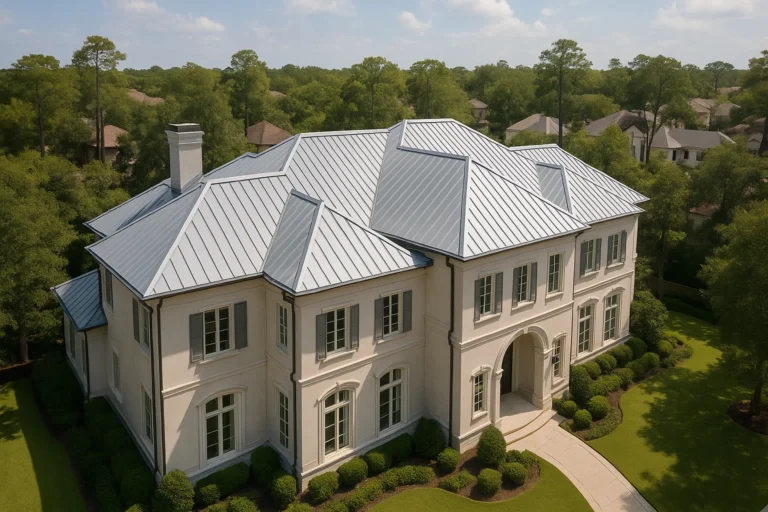
vs. Standing Seam Metal
Standing seam offers the same long metal service life with a more modern, vertical-panel look. Installed cost overlaps: standing seam runs $12–$16 per sq ft in Austin, versus $14–$18 for stone-coated steel. Standing seam has a slight edge on waterproofing because its seams are raised and its fasteners hidden. Metal shingle products rely on interlocking joints that are still excellent but not quite as foolproof.
vs. Asphalt Shingles
Stone-coated steel costs more up front than asphalt, but it holds up better to the hail that cuts shingle roofs short in Central Texas, so you replace the roof far less often. For a closer look, see our metal roof vs. shingles comparison.
How Much Does Metal Roofing That Looks Like Shingles Cost in Austin?
RISE Roofing's installed prices for the Austin metro, with standing seam shown for comparison:
| Roofing option | Installed / sq ft |
|---|---|
| DECRA / stone-coated steel | $14–$18 |
| Standing seam metal | $12–$16 |
For a 2,000 sq ft roof, stone-coated steel runs about $28,000–$36,000. Where you land in the range depends on the product and profile, roof complexity and access. Stamped metal shingle pricing varies by product line, so ask for a quote on the specific product you're considering.
Want a starting number? Try our roof cost calculator, check our stone-coated steel page or request a free estimate.
Lifespan and Warranty
A properly installed stone-coated steel roof is built to last 40–50 years, far longer than the replacement cycle shingle roofs face in the Austin hail belt. Read more in how long does a metal roof last. Two layers of coverage apply:
- Manufacturer warranty: DECRA and Tilcor each back their products with their own warranty. The terms are set by the manufacturer, so review the current warranty for the exact product you choose.
- RISE workmanship warranty: our roof replacements carry a 10-year workmanship warranty.
Insurance: Class 4 Ratings and Texas Discounts
DECRA stone-coated steel carries a UL 2218 Class 4 impact rating, and Tilcor lists Class 4 impact resistance for its shingles. Metal roofing as a category is not uniformly Class 4, though, so the rating of the exact product matters.
A Class 4 roof can qualify for an insurance premium discount in Texas, but there is no statewide percentage: each Texas insurer sets its own discount and criteria (see the Texas Department of Insurance). If your new roof qualifies, we complete Texas Department of Insurance Form PC068 and you pass it to your agent to claim the credit. Ask your agent how your insurer treats impact-resistant roofs before you choose a product.
Installation and Maintenance Considerations
Installing DECRA or Tilcor stone-coated steel shingles requires skilled professionals trained specifically in metal roofing techniques. Proper installation is crucial to getting the full benefits, warranty coverage and longevity these products offer.
Once installed, maintenance requirements are minimal. Regular inspections and occasional cleaning to remove debris keep the roof in good condition for decades.
Choosing the Right Shingle-Look Metal Roof for Your Home
When investing in a new roof, weigh both your aesthetic goals and your practical needs. A few questions narrow the choice:
- What look do you want? Asphalt-style shingle, cedar shake, slate or clay tile profiles are all available in stone-coated steel. For the shake look, see stone-coated steel roofs with a wood shake look.
- What does your HOA allow? Shingle, shake and tile profiles often satisfy architectural review, but confirm your HOA's rules before you order.
- Do you want an insurance credit? Check the exact product's impact rating and talk to your agent first, as covered above.
- What's your budget? Compare installed cost against service life and maintenance, not just the upfront number.
Whether you choose DECRA's stone-coated profiles or Tilcor's Zincalume-based shingles, a properly installed stone-coated steel roof gives your home lasting curb appeal and durable protection against Central Texas weather.
Get a Free Estimate for Your Austin Home
Want to see which shingle-look metal roof fits your home and budget? Request a free estimate or call (512) 360-8206 to talk with a RISE Roofing specialist.
Related services from RISE Roofing: stone-coated steel roofing, DECRA roofing, roof replacement, new roof installation.
Additional resources from the Metal Roofing Alliance.